
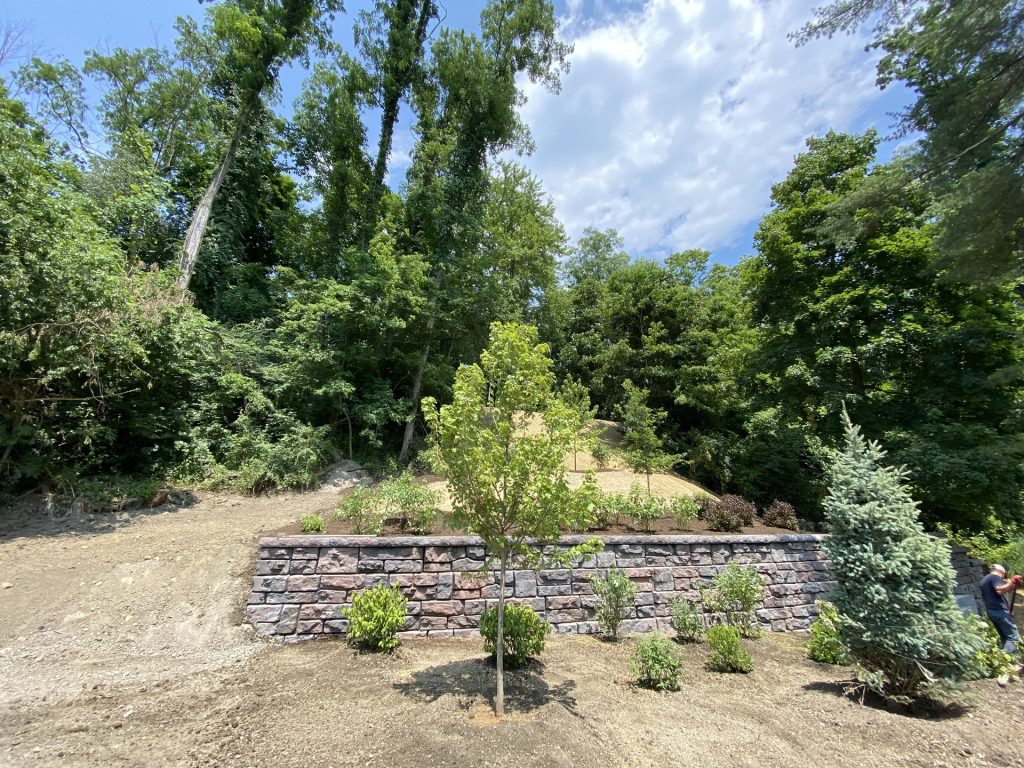
Sustainable landscaping isn’t about sacrificing beauty — it’s about working with nature instead of against it. The payoff is a healthier yard, lower water and maintenance costs, and a smaller environmental footprint. Here are practical, good-looking ways to make your Dutchess County landscape more sustainable.
Choose Native and Climate-Adapted Plants
Native plants evolved to thrive in the Hudson Valley’s soil, rainfall, and temperature swings. Because they’re suited to local conditions, they need less water, fewer chemicals, and far less fussing than exotic species. They also support local birds, bees, and butterflies. A designer can build a planting palette that’s both native-friendly and beautiful across all four seasons.
Rethink the Lawn
Traditional turf is thirsty and high-maintenance. You don’t have to eliminate your lawn, but reducing it — replacing unused turf with planted beds, ground covers, or hardscaping — cuts water use, mowing, and inputs. The areas you keep as lawn will be the ones you actually use.
Manage Water Wisely
- Grade and direct runoff to where it’s useful instead of letting it pool or erode
- Use rain gardens to capture and filter stormwater naturally
- Group plants by water needs so you’re not overwatering
- Add efficient irrigation only where it’s truly needed
Build with Permeable Hardscaping
Permeable pavers let rainwater soak into the ground rather than running off into storm drains. That recharges groundwater, reduces erosion, and helps prevent the pooling that damages foundations and patios. It’s a smart, sustainable choice for driveways, patios, and walkways.
Feed the Soil, Not Just the Plants
Healthy soil is the foundation of a sustainable landscape. Compost and organic matter improve structure and feed beneficial organisms, while a layer of mulch retains moisture, suppresses weeds, and slowly enriches the soil as it breaks down. Healthier soil means healthier plants that need fewer interventions.
Support Pollinators
Including flowering natives and reducing pesticide use turns your yard into habitat for pollinators that our whole ecosystem depends on. A pollinator-friendly bed is low-maintenance, full of color, and alive with movement all summer.
Maintain Efficiently
Sustainable practices extend to upkeep: mowing higher, leaving clippings, right-timing any fertilization, and choosing efficient equipment all reduce inputs and waste. A thoughtful maintenance plan keeps your landscape healthy with less.
Design a Greener Landscape
Want a yard that’s beautiful and sustainable? Our landscape design team can help you choose native plantings, water-wise layouts, and permeable hardscaping. Get a free consultation.