
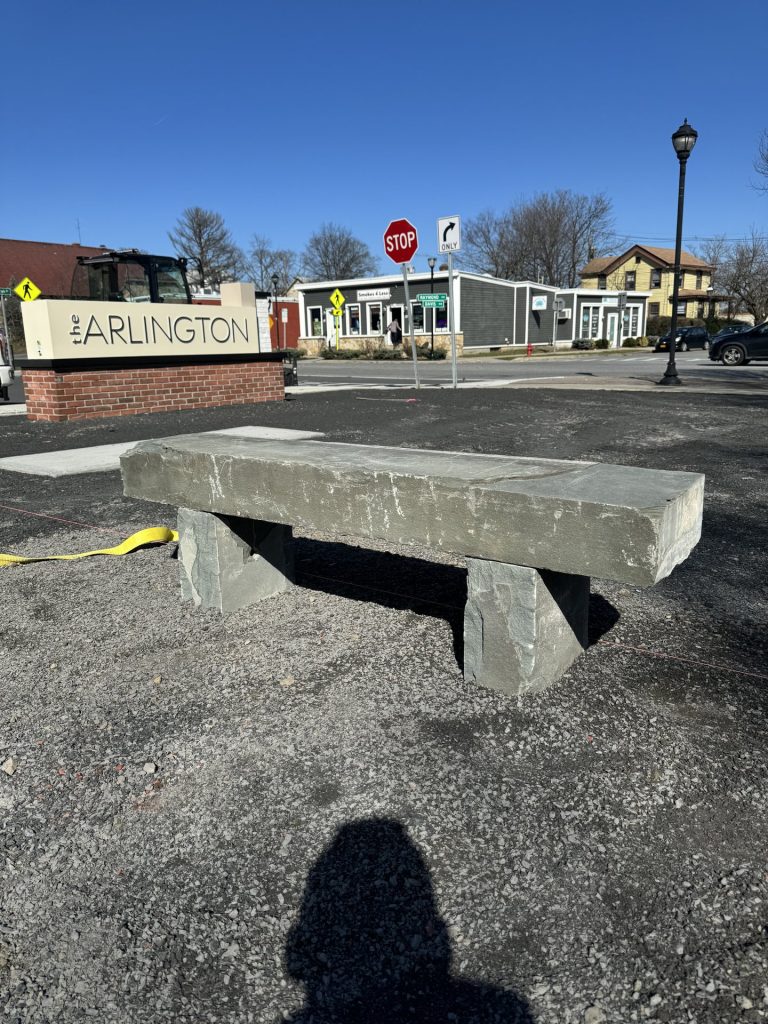
A well-built paver patio or stone wall can last for decades — but a little routine maintenance keeps it looking new and prevents small issues from becoming expensive repairs. New York’s freeze-thaw winters are especially tough on hardscaping, so here’s how to protect your investment year-round.
Why Maintenance Matters
Pavers and masonry are durable, but joints wash out, surfaces stain, and weeds and moss creep in over time. Left alone, those small problems let water infiltrate the base — and in our climate, water plus freezing temperatures is what causes heaving and shifting. Staying ahead of it is far cheaper than rebuilding.
Routine Cleaning
Sweep your patio regularly to keep debris from breaking down into the joints and feeding weeds. For a deeper clean, a gentle wash with mild soap and water lifts most dirt and organic buildup. Go easy with pressure washers — too much pressure blasts out joint sand and can etch the paver surface. Keep the nozzle moving and use a wide tip.
Refresh the Joint Sand
The sand between pavers locks them together and keeps water out. Over the years it erodes. Topping up the joints with polymeric sand — which hardens to resist washout and weeds — restores stability and gives the surface a finished look. This is one of the most valuable maintenance steps you can do.
Seal to Protect
A quality sealer helps protect pavers from stains, UV fading, and moisture, and it can enhance their color. Depending on the product and traffic, resealing every few years keeps the surface looking its best. Always clean and let the surface fully dry before sealing.
Handle Weeds and Moss
- Pull weeds promptly before roots establish in the joints
- Keep joints full of polymeric sand to discourage growth
- Treat moss in damp, shaded areas and improve drainage if it keeps returning
Winter and Salt Care
Harsh de-icing salts can damage some paver and stone surfaces over time. Use a paver-safe de-icer where possible, shovel with a plastic-edged shovel to avoid scratching, and rinse surfaces in spring to flush salt residue. Avoid piling salty snow directly on the patio.
Fixing Settling or Shifting
If a few pavers settle or lift, they can often be reset by addressing the base beneath them and re-laying the units — much easier than a full rebuild. Catch it early. Widespread movement usually points to a base or drainage issue that’s worth having a professional evaluate.
When to Call a Pro
For sealing large areas, resetting pavers, or diagnosing recurring movement, a professional masonry and hardscaping team has the tools and experience to do it right and protect your warranty.
Need Hardscape Repair or a New Patio?
Dutchess Lawns & Masonry builds and maintains hardscaping across New York’s Hudson Valley. Get a free estimate for repairs or a brand-new project.